In industrial pressure measurement systems, maintaining accuracy and cleanliness is crucial. To support this need, flushing rings are widely employed as a protective and maintenance-friendly accessory, especially when diaphragm seals are involved. Designed to prevent clogging and ensure precise readings, flushing rings are essential in systems where pressure transmitters or pressure gauges come in contact with viscous, crystallizing, or sediment-prone process fluids.
What Is a Flushing Ring?
A flushing ring is a circular, gasket-like device installed between the diaphragm seal and the process flange. It features one or more radial ports through which flushing fluid can be introduced. This allows cleaning or venting of the cavity behind the diaphragm, thereby preventing blockage or contamination that might affect pressure measurement accuracy.
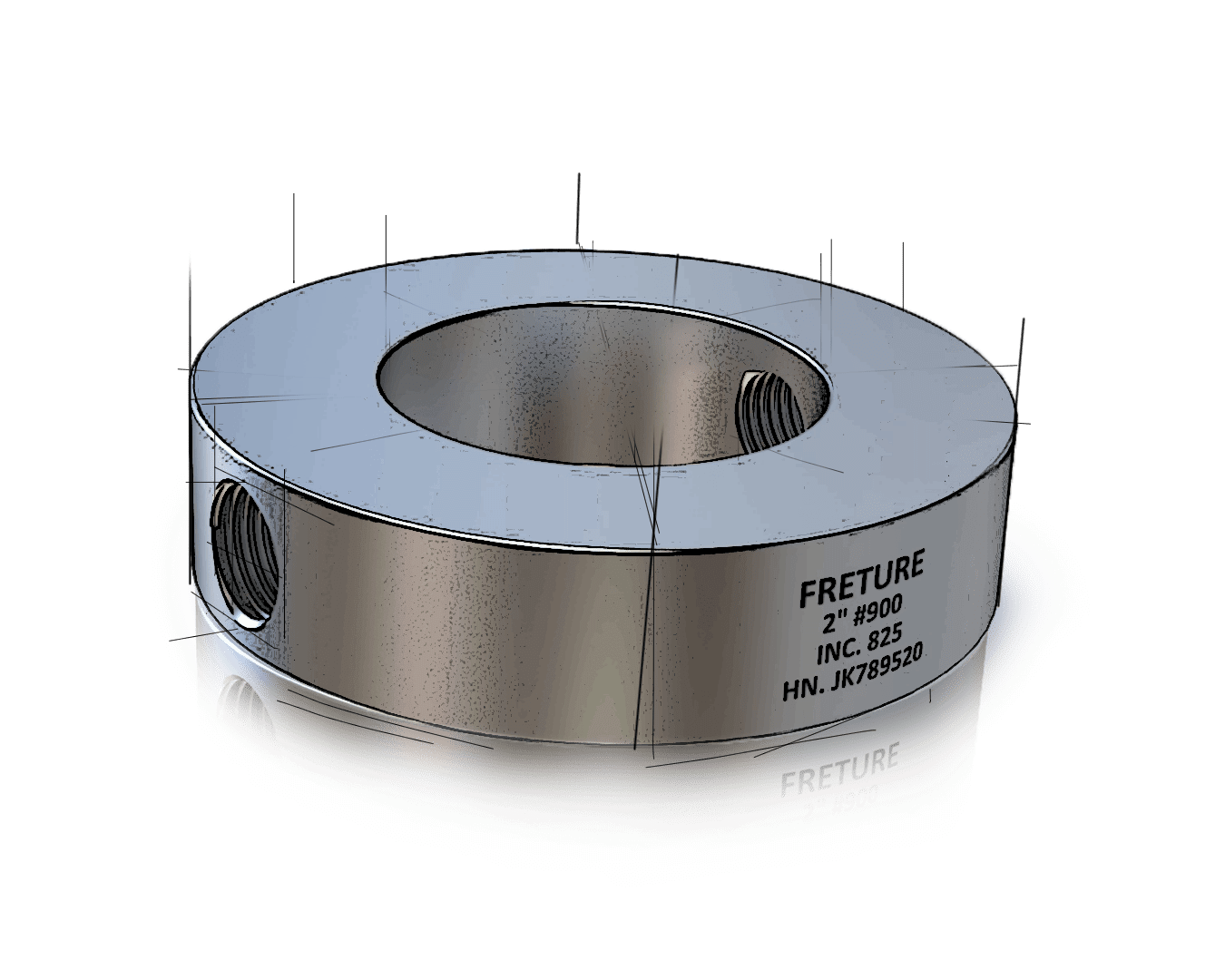
The integration of flushing rings is especially vital in systems using flushing ring diaphragm seals, as these seals can easily trap residue from aggressive or sticky process media. To maintain consistent functionality, the trapped fluid needs to be regularly flushed out — a task accomplished effectively through a flushing ring.
Types of Flushing Rings
Different process requirements call for different flushing ring configurations. Common types include:
1. Single Flushing Ring
Designed with one inlet port, this basic type allows flushing from a single side. It is typically used in less demanding applications where minimal cleaning is needed.
2. Double Flushing Ring
Equipped with two ports on opposite sides, this type enables complete circulation of flushing fluid. It is preferred in critical applications where thorough cleaning is necessary to prevent buildup.
3. Flushing Ring with Spacer
This design includes an integrated spacer ring to provide additional clearance between the diaphragm and process fluid. It is useful in cases where diaphragm movement must be optimized.
4. Flushing Ring with Valves
With integrated ball or needle valves on the flushing ports, this design allows manual control of flushing operations without the need for additional fittings. It is a time-saving option that also improves safety.
5. Custom Flushing Rings
Some operations may require customized rings tailored to specific pressures, temperatures, or chemical resistances. These are designed based on individual process conditions.
Industries Using Flushing Rings
Flushing rings are used across multiple industries where accuracy and cleanliness are paramount. Their presence is crucial in applications involving pressure gauges and diaphragm seals that might otherwise be compromised by fluid buildup.
– Oil & Gas
Used to ensure that high-viscosity crude oils and residual fluids do not affect pressure reading accuracy in exploration and refining processes.
– Chemical and Petrochemical
Employed to flush out corrosive or crystallizing chemicals that could damage diaphragm seals or skew pressure readings.
– Pharmaceutical
In sterile and sanitary systems, flushing rings help maintain hygiene standards and ensure clean-in-place (CIP) or sterilize-in-place (SIP) protocols are followed.
– Food & Beverage
Used to prevent product residue buildup that can affect sensor accuracy or contaminate subsequent batches.
– Water Treatment and Power Plants
Helps in maintaining system efficiency and sensor performance in sludge-heavy or sediment-prone environments.
Working Principle
When installed, the flushing ring sits between the process connection and the diaphragm seal. Flushing fluid is introduced via the ports, allowing any trapped material to be cleaned out without disassembling the system. This fluid can also be used for calibration or to apply a buffer liquid in hazardous media applications.
Materials and Design Considerations
To withstand harsh conditions, flushing rings are manufactured in materials such as:
-
Stainless Steel 316/316L
-
Hastelloy C
-
Monel
-
Titanium
Material selection depends on the chemical compatibility with the process fluid. Design considerations also include pressure ratings, temperature limits, and flange standards (such as ANSI, DIN, or JIS).
Advantages of Using Flushing Rings
-
Enhanced Equipment Longevity: Diaphragm seals and pressure gauges are protected from contamination.
-
Minimal Downtime: Routine maintenance is simplified, reducing the need for system shutdown.
-
Accurate Measurement: Pressure readings remain consistent and reliable.
-
Improved Safety: Flushing rings reduce manual handling of hazardous media.
-
Cost-Effectiveness: Maintenance costs are lowered by avoiding diaphragm or gauge damage.
Conclusion
In industrial settings where fluid purity, sensor hygiene, and reading accuracy are vital, flushing rings serve as indispensable components. Whether used with pressure gauges or diaphragm seals, these accessories are engineered to enhance system reliability across industries such as oil & gas, chemical, pharmaceutical, and water treatment. By selecting the right type and material for a flushing ring diaphragm seal, maintenance operations are streamlined and instrument performance is preserved.
For industries seeking dependable solutions, high-quality flushing rings should be sourced from trusted manufacturers known for engineering excellence and material integrity.
